September 9, 2026
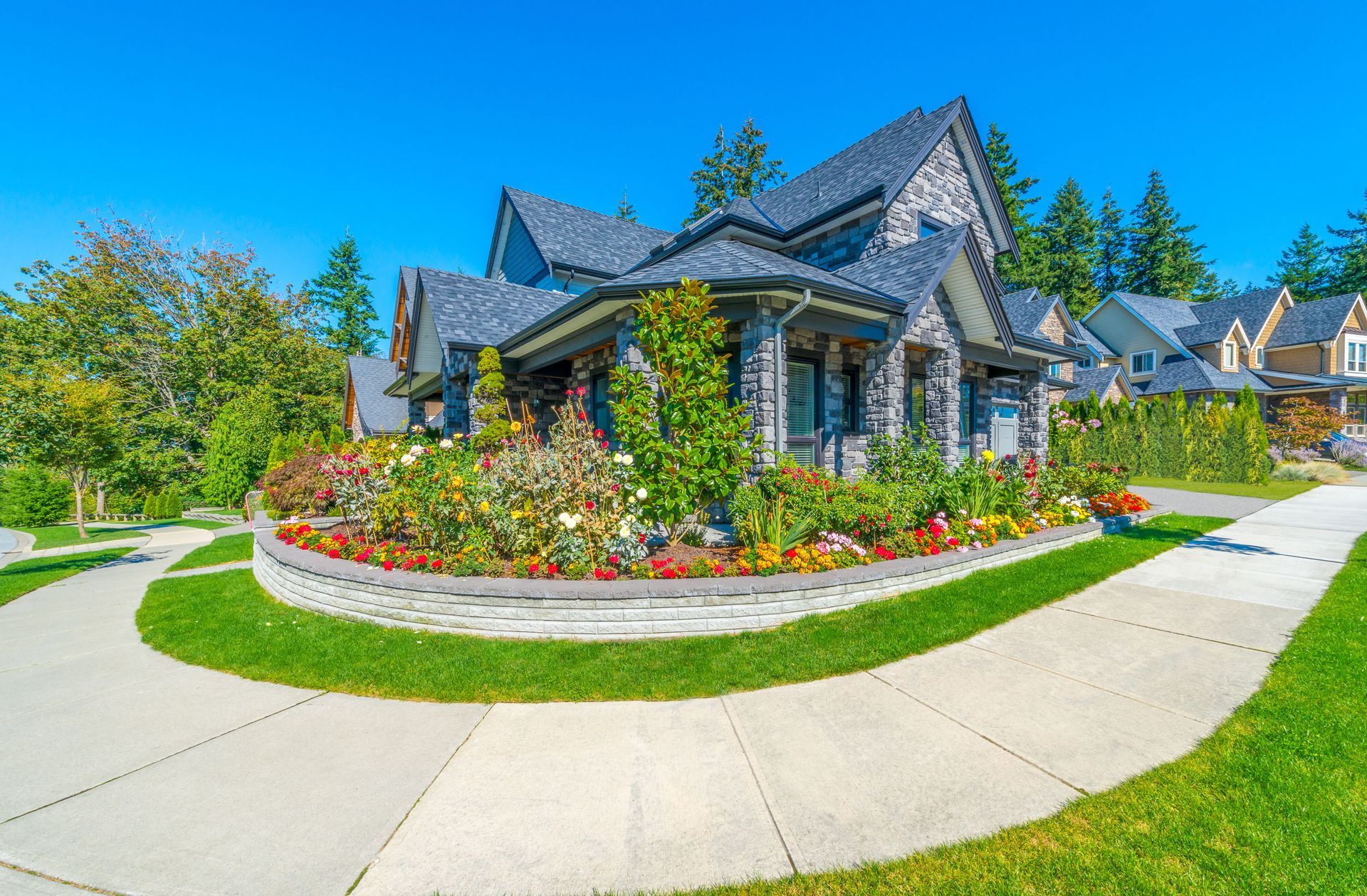
A well-designed yard can become much more than an open area around your home. With the right planning, it can serve as a place to relax, entertain guests, enjoy meals, spend time with family, and connect with the outdoors. Creating that kind of space often requires more than simply planting flowers or maintaining the lawn. A professional landscaping contractor can evaluate the entire property, identify opportunities for improvement, and bring different elements together into a cohesive design. From plant selection and lawn care to walkways, seating areas, and drainage improvements, thoughtful landscaping can turn an ordinary yard into a comfortable and attractive outdoor retreat.
Planning the Yard Around Your Needs
The process often begins by looking at how you want to use the property. Some homeowners want a quiet garden, while others need open lawn space for children, pets, or gatherings. You may also want areas for dining, a fire pit, shaded seating, or pathways that make it easier to move between different parts of the yard. A landscaping contractor can help organize these ideas into a practical layout while considering the size, shape, and existing features of the property.
Good planning also helps different features work together instead of feeling disconnected. A patio may look more natural when surrounded by planting beds, while a walkway can help guide visitors from the driveway to a backyard gathering area. Trees and shrubs can provide privacy or shade when placed carefully. By considering circulation, visibility, maintenance needs, and long-term use, the design can support both everyday function and the overall appearance of the landscape.
Choosing Plants That Fit the Property
Plants play a major role in creating the look and feel of an outdoor space, but selecting them involves more than choosing attractive colors. Sun exposure, soil conditions, available space, drainage, and seasonal changes can all influence how well a plant performs. A professional landscaping contractor can recommend trees, shrubs, flowers, grasses, and ground covers that are better suited to the conditions found throughout different areas of the yard.
Careful plant selection can also create visual interest throughout the year. Combining plants with different heights, textures, bloom times, and foliage colors can keep the landscape from looking flat or unfinished. Evergreen plants may provide structure during colder months, while flowering varieties can add seasonal color. Thoughtful placement can also help prevent overcrowding as plants mature, reducing the need for unnecessary trimming or removal later.
Improving the Health of the Lawn
A healthy lawn can provide a clean foundation for the rest of the landscape. Thin grass, weeds, bare patches, compacted soil, or uneven growth can make even a well-designed yard look neglected. Lawn care may involve mowing at an appropriate height, watering consistently, aerating compacted areas, overseeding, and applying nutrients when needed. According to Forbes, you should apply fertilizer to your lawn every six to eight weeks throughout the main growing season. A consistent maintenance plan can help grass stay healthier and better able to withstand regular use.
A landscaping contractor can also look for underlying issues that may be affecting the lawn. Poor drainage, excessive shade, soil compaction, or incorrect watering practices can contribute to ongoing problems. Instead of repeatedly treating visible symptoms, identifying the cause can lead to more effective improvements. In some areas, reducing the amount of turf and replacing it with planting beds, mulch, or other landscape features may also create a more manageable and visually interesting yard.
Adding Hardscaping for Function and Style
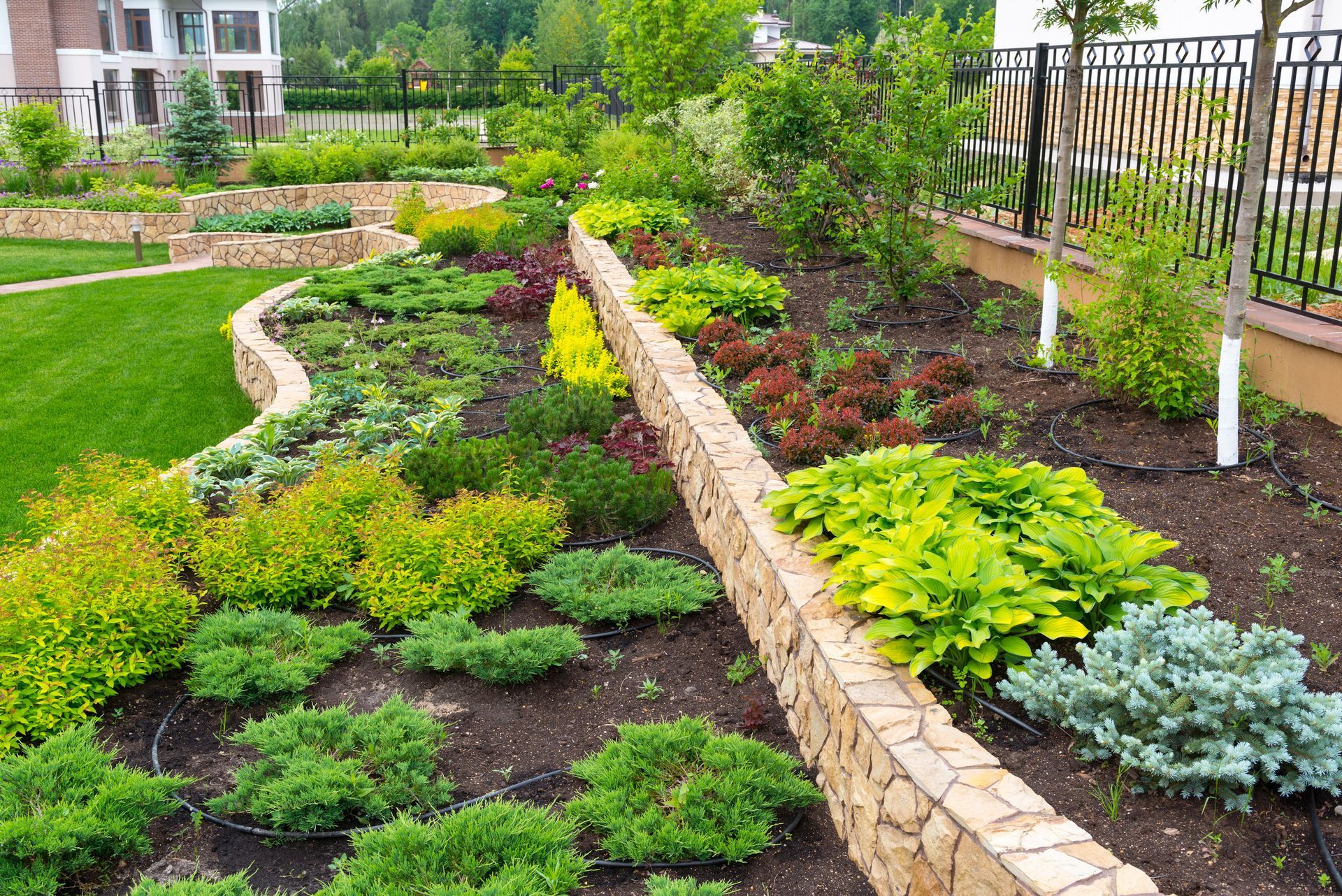
Hardscaping introduces structure into a landscape and can make outdoor areas easier to use. Walkways, patios, retaining walls, edging, stepping stones, and seating areas can help define different zones of the property. These features can also connect entrances, gardens, and entertainment areas while reducing wear on the lawn. When materials complement the home's exterior, hardscaping can create a more unified appearance between the house and the surrounding landscape.
Professional planning is especially useful because hardscape features must be installed on a properly prepared base. Poor grading or inadequate preparation can lead to shifting, settling, or drainage problems over time. A landscaping contractor can consider slope, water movement, foot traffic, and surrounding plants when deciding where these features should go. This helps create outdoor spaces that are attractive while remaining practical for regular use.
Creating Comfortable Outdoor Living Areas
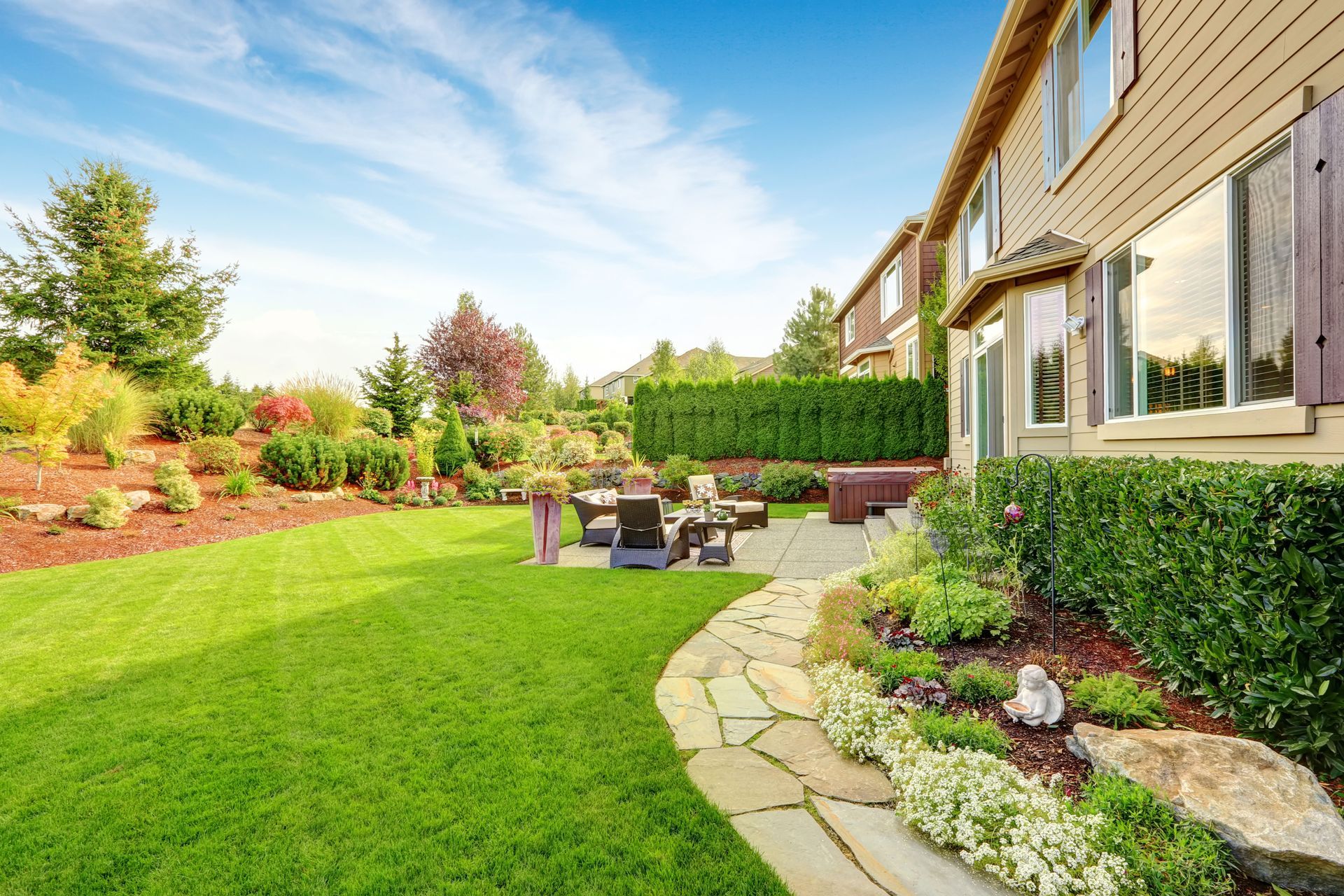
A yard can become an extension of the home when it includes spaces designed for comfort and everyday activities. Patios, seating areas, outdoor kitchens, pergolas, fire features, and shaded spaces can create places for dining, relaxing, or spending time with guests. Even a smaller property can benefit from a clearly defined gathering area that makes better use of the available space.
Comfort also depends on details such as shade, privacy, lighting, and access. Trees, fences, shrubs, or screens can make a seating area feel more secluded, while pathways provide convenient connections to the house. Landscape lighting can help illuminate steps, walkways, and gathering areas after dark. By combining these elements carefully, a landscaping contractor can help turn an underused section of the yard into a space that feels welcoming and purposeful.
Managing Drainage and Problem Areas
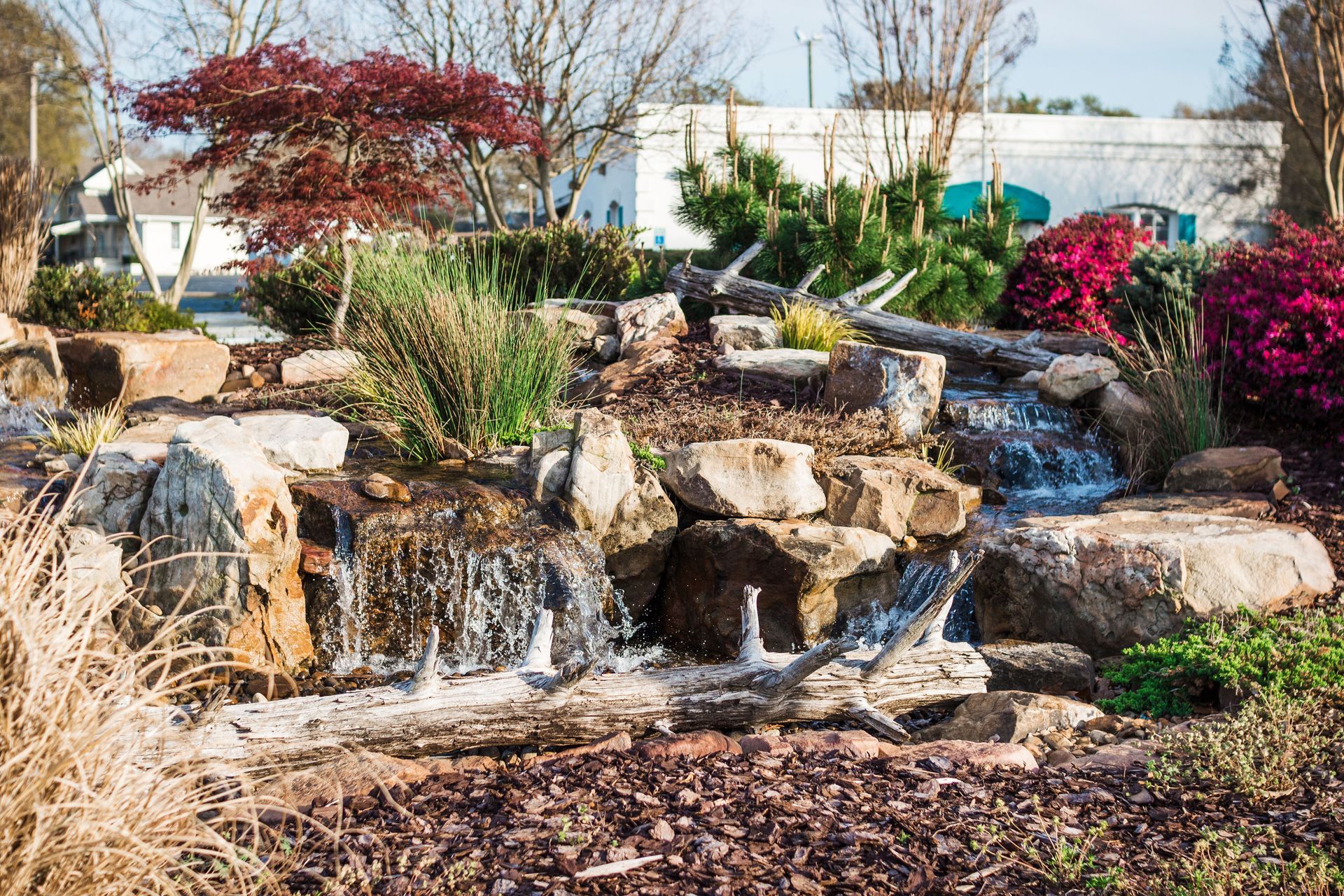
Water can have a major impact on the condition of a landscape. Low spots may collect standing water, slopes can experience erosion, and poorly directed runoff can damage lawns, planting beds, or hardscaping. Addressing these problems is important before adding expensive landscape features. Drainage improvements may include regrading certain areas, installing drains, directing downspouts, or selecting plants that tolerate wetter soil conditions.
Problem areas may also include steep slopes, deeply shaded sections, narrow side yards, or places where grass consistently struggles. Rather than forcing the same landscaping approach into every part of the property, a professional can develop solutions suited to each space. Retaining walls, ground covers, mulch, stone, or specialty plantings may turn difficult areas into attractive features. A landscaping contractor can help identify these opportunities and create a more balanced use of the entire yard.
Maintaining the Landscape Over Time
Creating an outdoor oasis is only the beginning. Trees and shrubs continue to grow, plants may need seasonal trimming, mulch breaks down, and lawns require ongoing attention. Regular maintenance helps protect the appearance of the landscape and prevents small issues from becoming larger problems. Tasks may include mowing, pruning, edging, fertilizing, weed control, cleanup, and replacing plants that are no longer performing well.
Maintenance needs can also be considered during the original design process. Homeowners who prefer a lower-maintenance yard may choose slower-growing plants, larger mulched areas, or landscaping materials that require less frequent care. Others may enjoy gardening and want more elaborate beds that change throughout the seasons. Working with a landscaping contractor can help create a maintenance plan that fits the property and the amount of time the homeowner wants to dedicate to outdoor care.
Transforming a yard into an outdoor oasis requires a combination of planning, plant knowledge, lawn care, hardscaping, drainage management, and ongoing maintenance. When these elements are considered together, the landscape can become more attractive, functional, and enjoyable throughout the year. Professional guidance can also help homeowners avoid common problems and make choices that fit the specific conditions of their property. If you are ready to improve your outdoor space with help from an experienced landscaping contractor, contact Remboldt Lawn Services.